
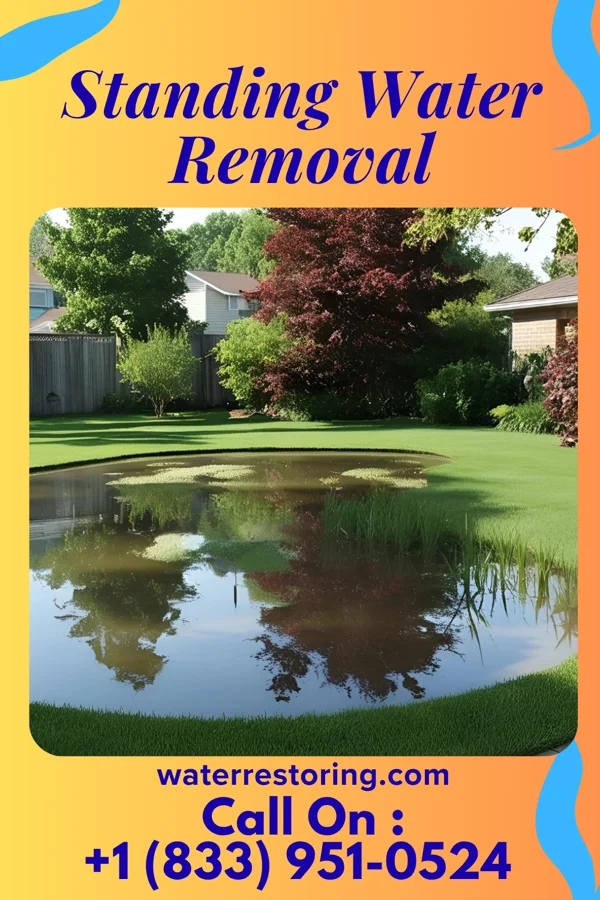
Standing Water & Insurance in West Falls
In West Falls, Pennsylvania, the primary water damage cause is often related to heavy rainfall and flooding due to its rural location near Lake Winola and proximity to the Susquehanna River. Flash floods and stormwater runoff can quickly overwhelm local infrastructure, leading to basement flooding and water intrusion in homes. is the trigger behind most standing water removal claims in West Falls. A close second is Secondary causes include sewer backups, leaking water heaters, and burst pipes, which are common in older homes in the area. Additionally, the seasonal thawing of frozen ground in spring can cause water to seep into basements and crawl spaces.. Most homeowner insurance policies cover sudden, accidental water damage. What separates a clean claim from a stuck one is fast professional response with documentation an adjuster can actually use.
West Falls experiences a humid continental climate with significant precipitation, especially during the spring and fall. This increases the risk of water damage, particularly in low-lying areas near Upper Exeter and Tunkhannock. The region is also prone to severe thunderstorms that can lead to sudden water intrusion.
Most standing water removal calls in West Falls come from In West Falls, Pennsylvania, the primary water damage cause is often related to heavy rainfall and flooding due to its rural location near Lake Winola and proximity to the Susquehanna River. Flash floods and stormwater runoff can quickly overwhelm local infrastructure, leading to basement flooding and water intrusion in homes.. Running a close second is Secondary causes include sewer backups, leaking water heaters, and burst pipes, which are common in older homes in the area. Additionally, the seasonal thawing of frozen ground in spring can cause water to seep into basements and crawl spaces.. Local mold risk: Due to the high humidity and frequent rainfall in West Falls, mold can develop within 48 hours of water exposure. Prompt action is critical to prevent long-term damage and health risks, especially in rural homes with limited ventilation.
For public guidance on the health effects of mold after prolonged water exposure, see the EPA mold and health page.